

Despite the grey November, students come together to celebrate Diwali
It is one of the most important festivals in Hinduism: Over one billion people worldwide celebrate Diwali, marking the triumph of light over darkness. Most of these celebrants are in India, but the festivities have now reached Harz University of Applied Sciences. A group of students from the Faculty of Automation and Computer Science invited the university community to immerse itself in Indian culture through music, dance and traditional food. Student Samiksha Eknath Unhale from India is a member of the organisation team and shares her experiences in our interview.
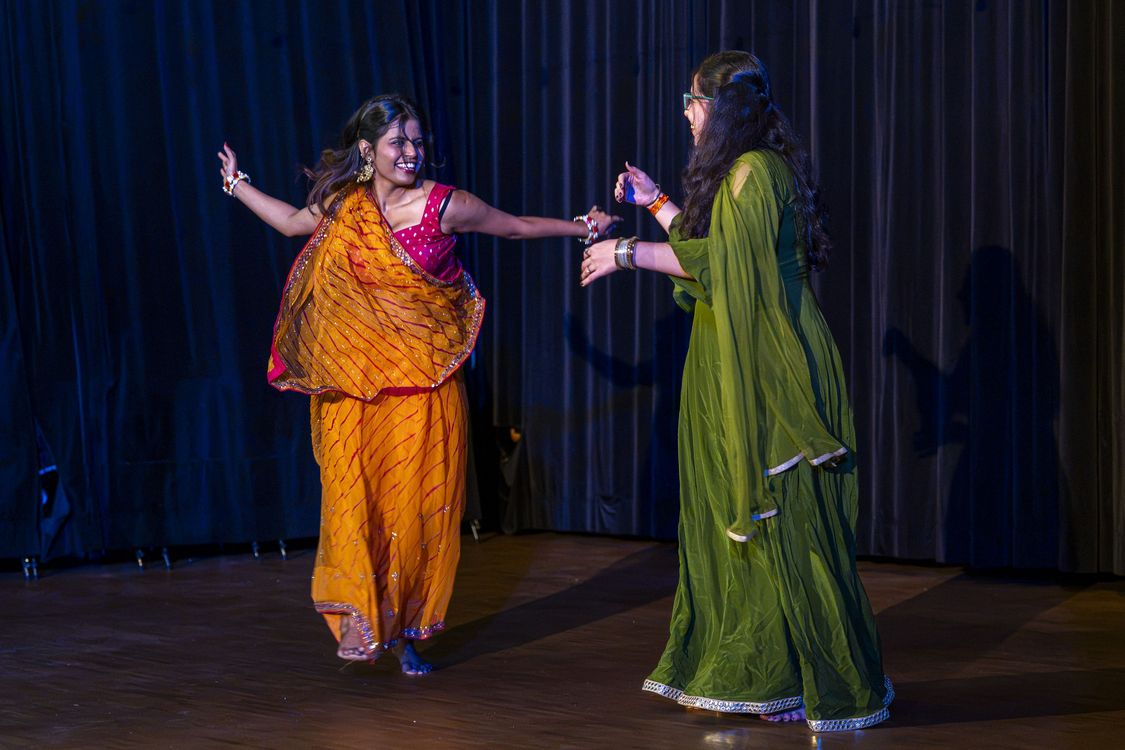
What is Diwali and why is it celebrated?
Diwali, also known as Deepavali, is often called the Festival of Lights. The word Deepavali comes from Sanskrit and means “a series of lights.” The festival symbolises the victory of light over darkness, good over evil and knowledge over ignorance. Many Hindus associate Diwali with the return of the god Rama after his victory of the demon king Ravana. People welcomed Rama by lighting a series of oil lamps called diyas. Communities celebrate Diwali in different ways, with each tradition having its own stories and significance.
Families traditionally decorate their homes with lights and rangoli, a type of Indian folk art. They prepare special dishes and sweets, wear festive clothing, visit friends and relatives, and exchange gifts. At its heart, Diwali is about hope, happiness, togetherness and new beginnings.
How did you celebrate Diwali on campus in Wernigerode?
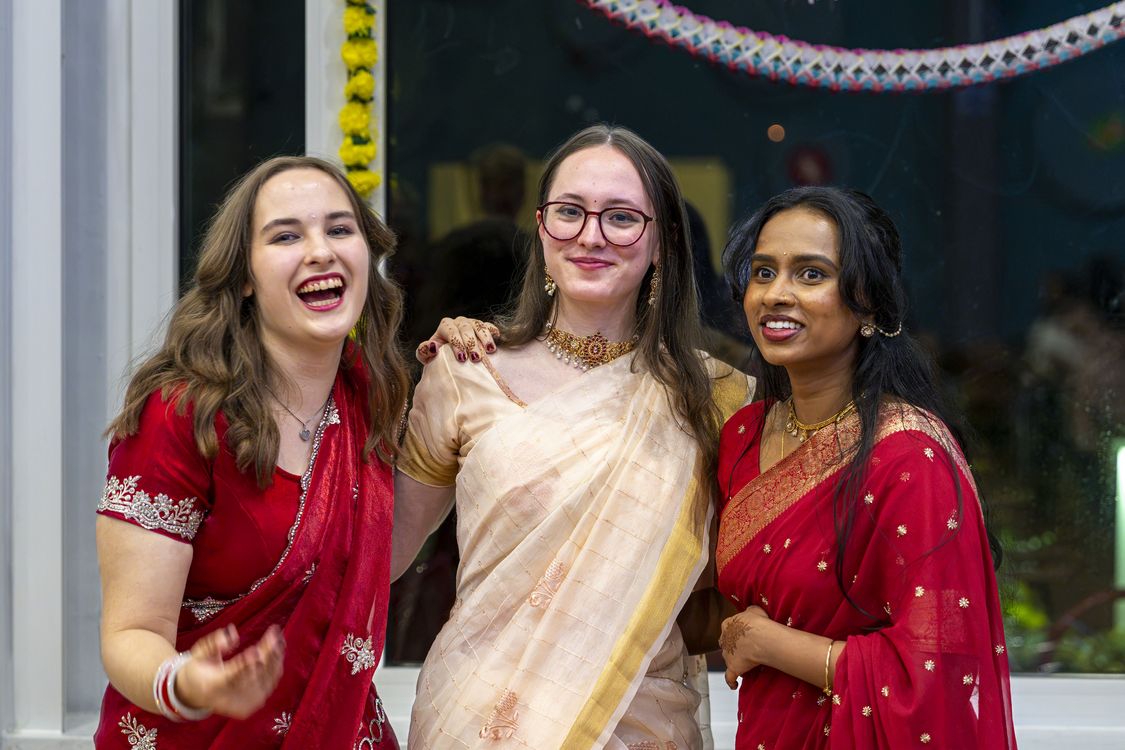
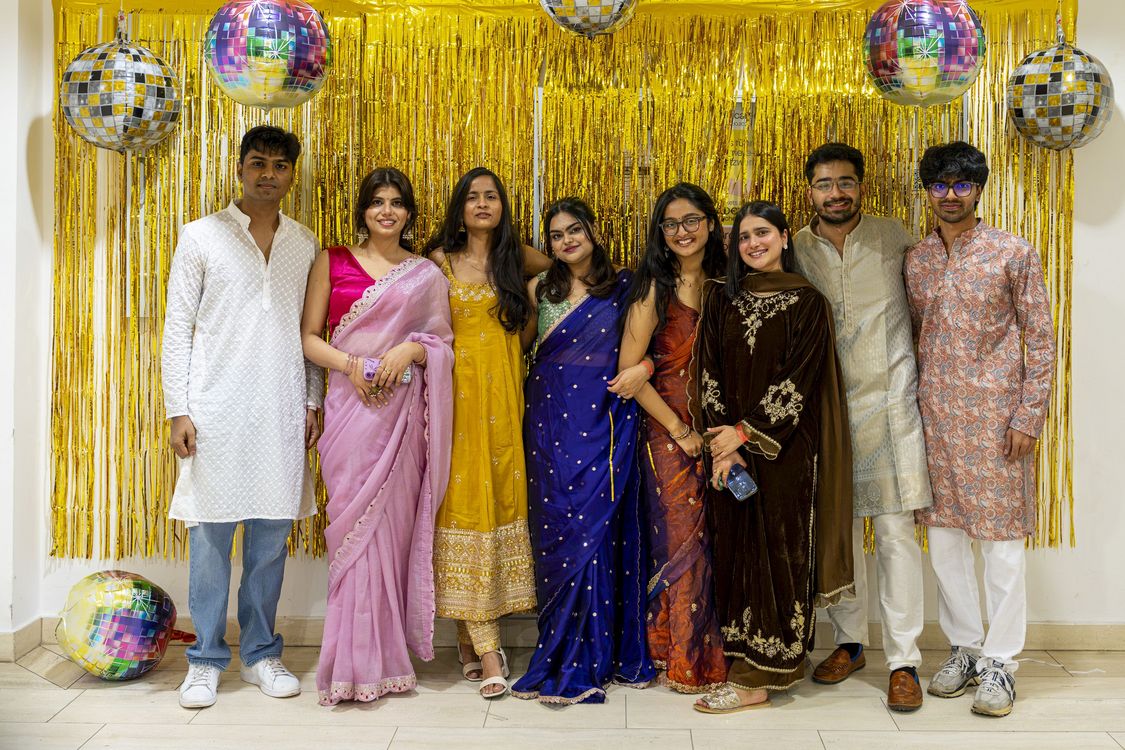
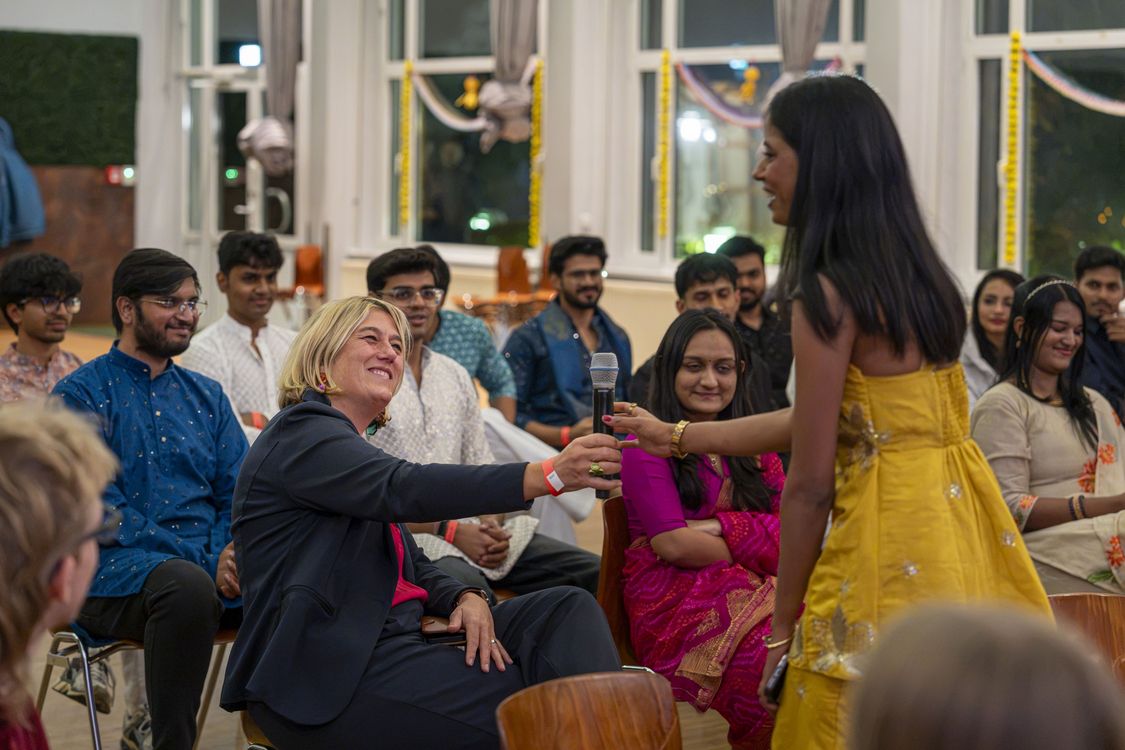
We wanted to share those feelings with everyone at the university. Students from India, Pakistan, Sri Lanka, Bangladesh, Germany and other countries celebrated together. Even professors were there.
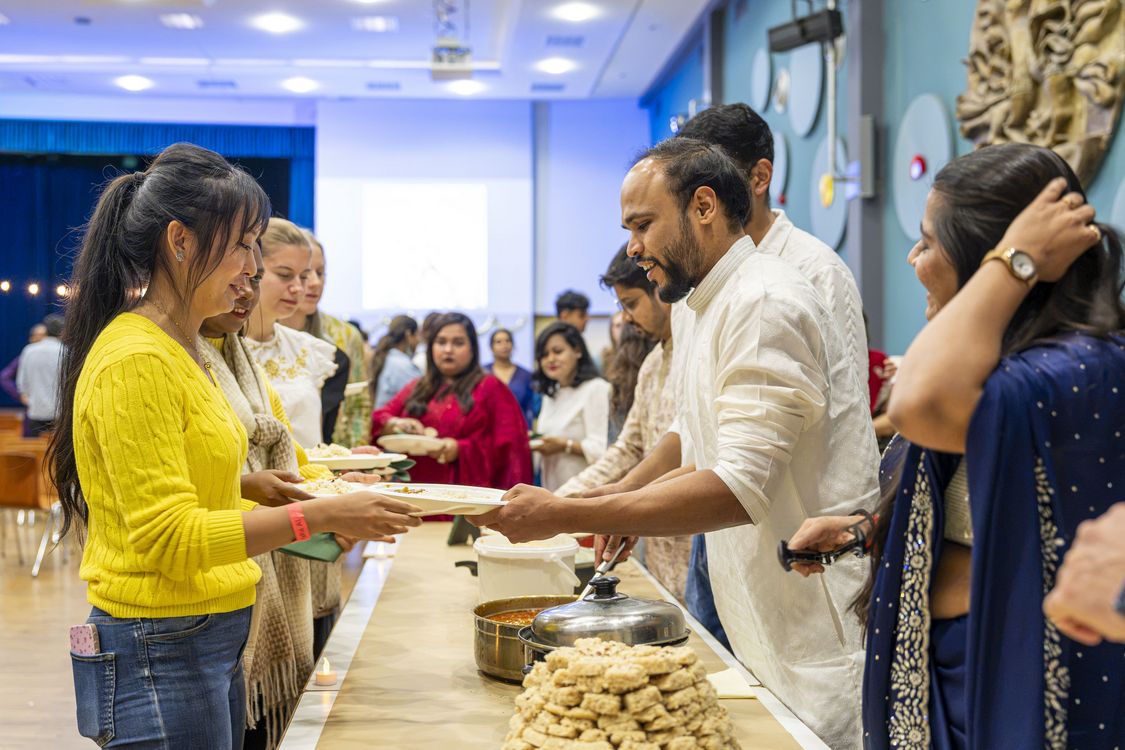
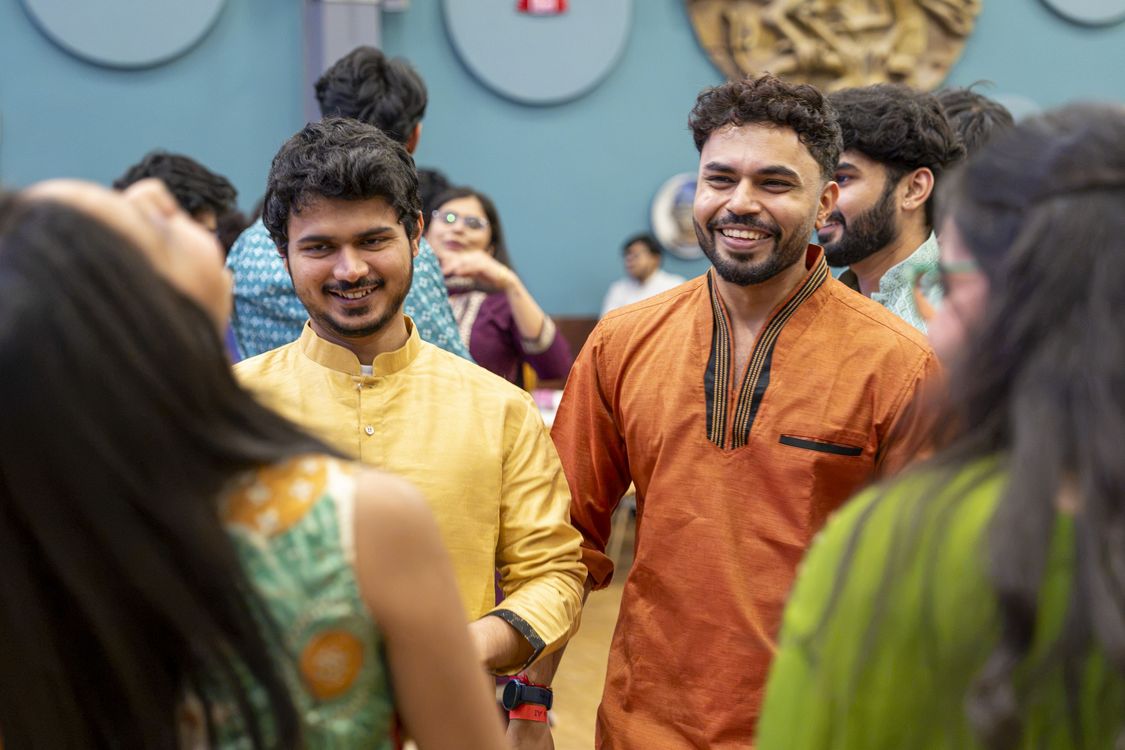
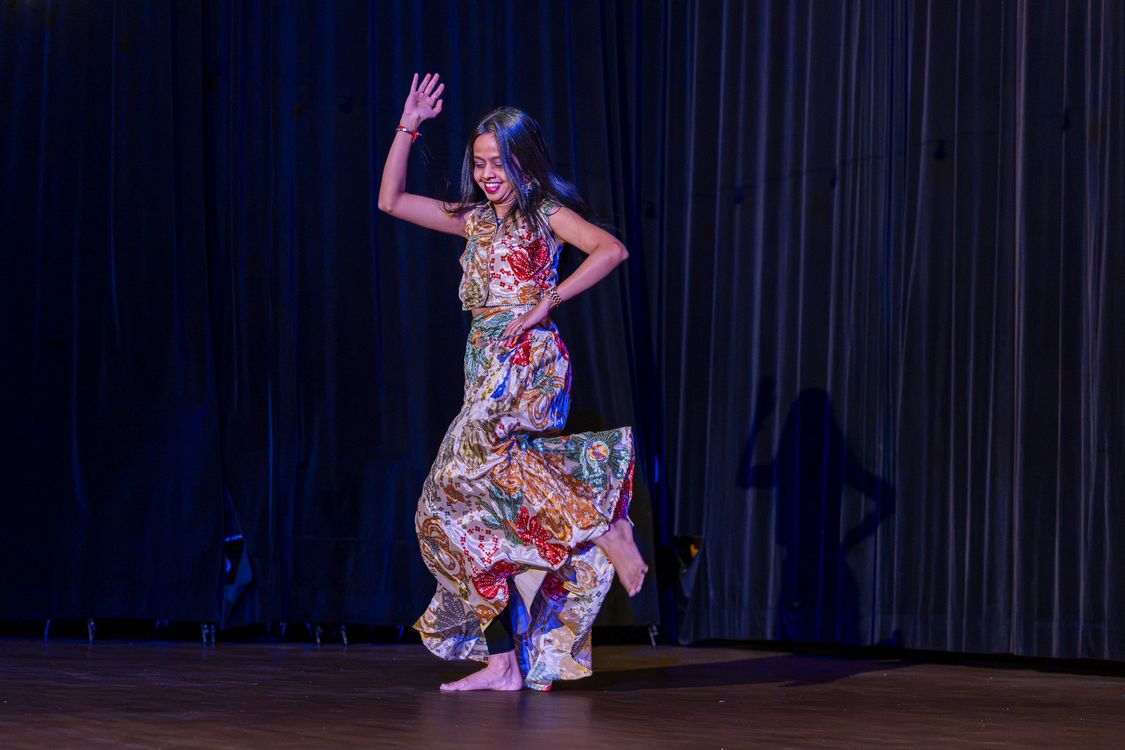
It was nice to see people from so many different backgrounds come together, enjoy Indian food, watch our performances, play games and dance. Some of the guests were already familiar with Diwali, and for others it was their first time experiencing it.
Why is it especially important to organise the festival as a community?
We worked together to plan the programme and the performances, decorate the dining hall and prepare everything. This is an important part of our culture, and it is rare in India for one person to organise a celebration all on their own. Family members, friends and communities come together and everybody pitches in.
Hospitality is especially important in Indian culture. We have a saying, “Atithi Devo Bhava,” which essentially means, “The guest is akin to God.” It is an expression of the belief that every guest should be received with warmth, respect and generosity. For us, this meant that everybody should feel invited to come celebrate with us.
What did your guests think of the event?
The reception was fantastic. Seeing how enthusiastic everybody was showed us that all the work we put into putting the event together was worth it. The performances, the food, the games and the dances created a lively atmosphere. What especially stuck out was the sense of connection.
The food plays a very important role. In Indian culture, communal eating is one of the simplest and most meaningful ways of bringing people closer together. We didn’t want the guests to just watch us celebrating, but rather to join us in the festivities.
What does it mean for you personally to celebrate Diwali in the Harz?
Celebrating such festivals far from home can be bittersweet for many international students. Of course, we miss our families, familiar traditions and the feeling of celebrating with people whom we grew up with. But celebrating as a community here in Wernigerode gave us some of that feeling.
It was especially important for us on the organisation team that we got to put this event together ourselves. Everybody contributed in their own way, and that made the celebration feel so authentic. Ultimately, our goal was not only to celebrate Diwali, but to share its spirit with the university community. We hope that everybody who attended left with pleasant memories and a better sense of our culture.
*The interview was conducted in English and translated into German.
19.11.2026
Author: Mark Winter
Image author: © Sascha Selli-Grabowski
Image rights: © Hochschule Harz