

Vice-President Prof. Dr Louisa Klemmer visits Japan
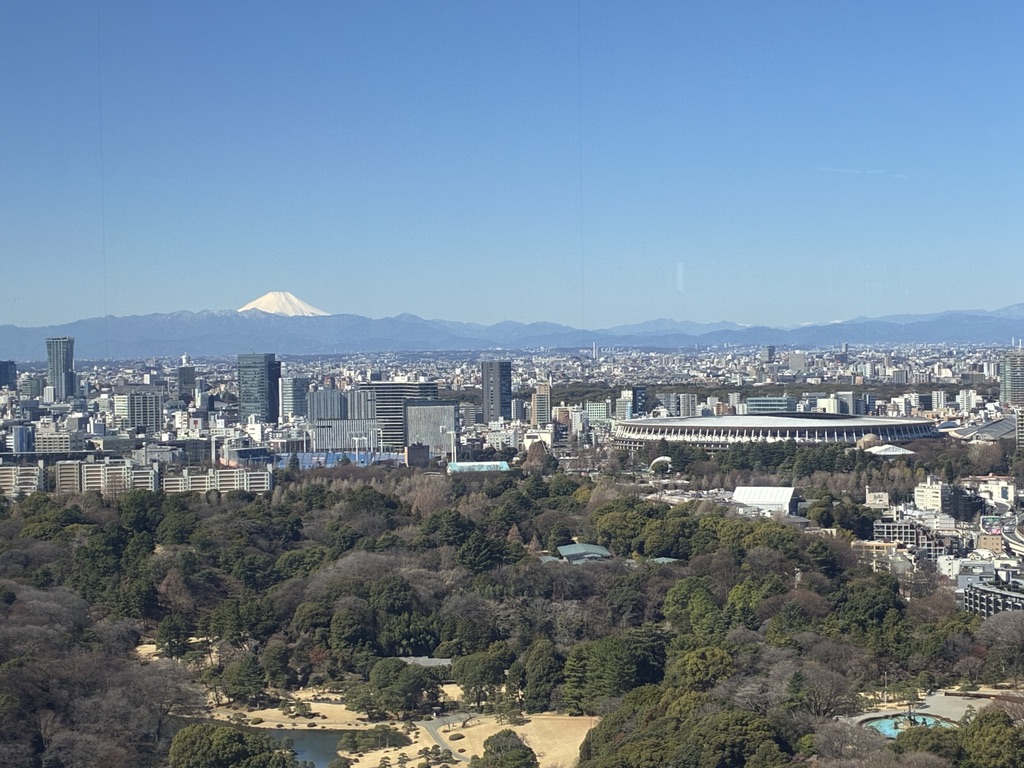
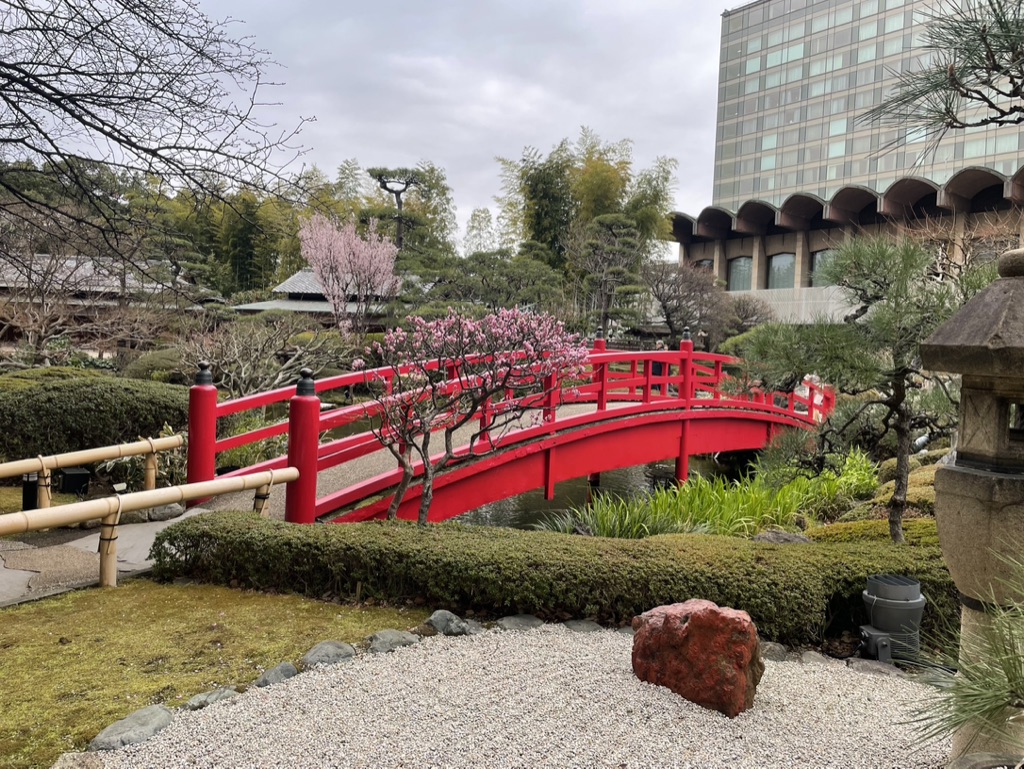
It was still a few days too early for the cherry blossoms when the 21 heads of German universities of applied sciences (HAW) travelled to Tokyo in March 2026. But the knowledge they gained was all the more valuable. Over six days, as part of the ‘HAW.International’ higher education policy information tour, the group visited locations in Tokyo, Nagoya, Osaka, Kyoto and Nara. Their aim: to initiate cooperation with Japanese universities and companies.
It was the first trip to Japan organised by the International DAAD Academy (iDA) and the DAAD Tokyo Office specifically aimed at University of Applied Sciences. DAAD stands for “Deutscher Akademischer Austauschdienst” (German Academic Exchange Service). “The focus was primarily on opportunities for knowledge transfer between German academia and Japanese companies, as well as topics such as start-ups and entrepreneurship,” says Axel Karpenstein, Head of the DAAD Tokyo Office and Director of the German House of Science and Innovation (DWIH) Tokyo.
Japan has established itself as one of Germany’s most important partners in Asia. The island nation is setting new standards, particularly in the fields of robotics, artificial intelligence and research into sustainable energy sources such as green hydrogen. Since 2026, Japan has been part of the Horizon Europe programme as an associated third country. This makes collaboration more attractive and easier than ever before for German universities. For Germany, this exchange is essential for learning from Japan’s highly efficient technology transfer and for jointly developing solutions for an ageing society and the energy transition. Interest in cooperation is growing, as evidenced by the increased demand for research stays in Japan.
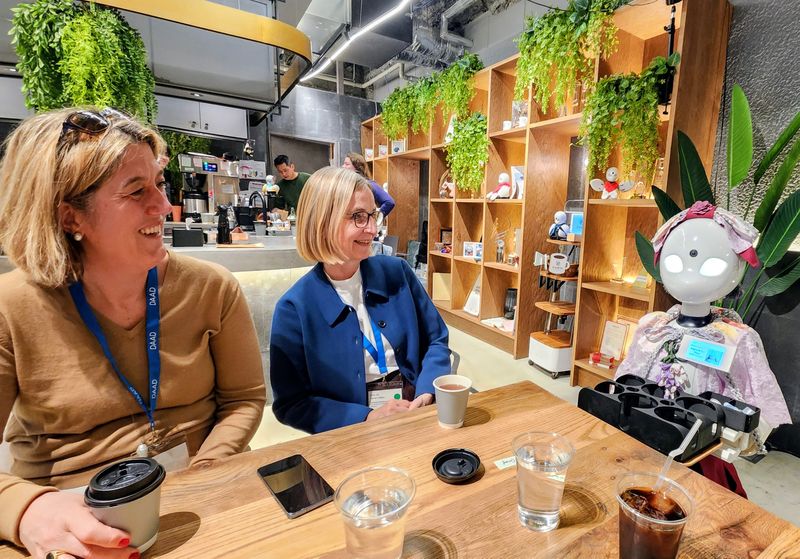
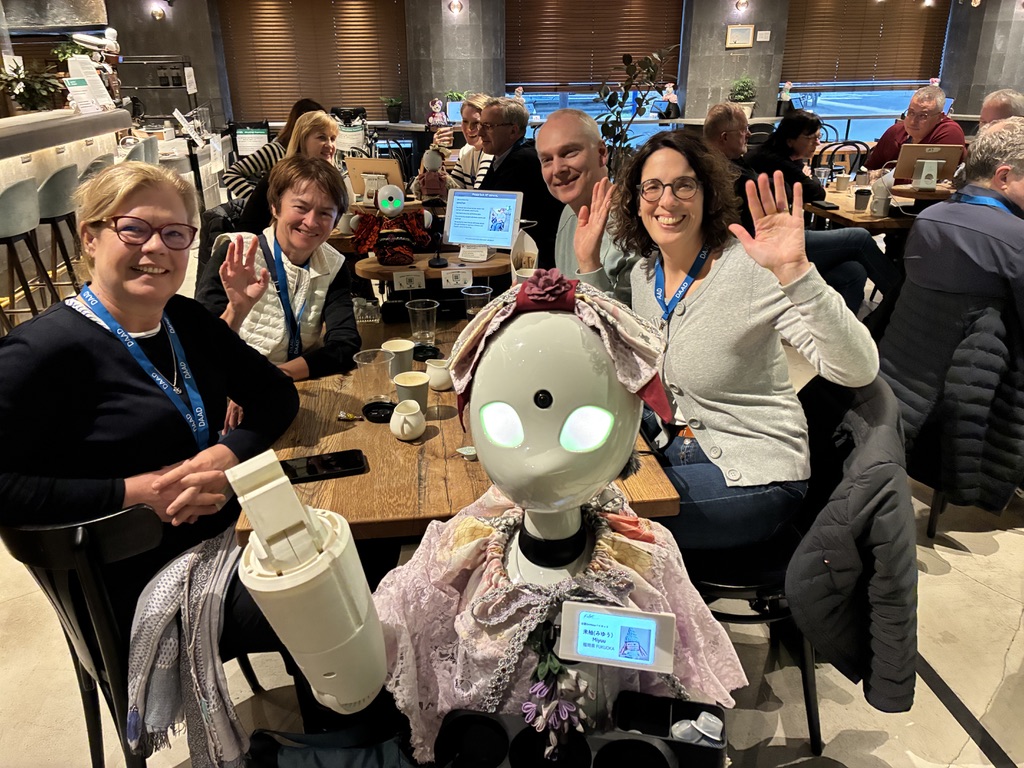
The programme specifically focused on institutions that combine theory and practice. At the Avatar Café, the group was able to experience how social robotics enables people with disabilities to participate in society – a model for inclusive technology. The newly founded Institute of Science Tokyo, as well as various start-up support hubs in Tokyo and Nagoya, demonstrated how technology transfer can be strengthened and unused spaces developed. For example, an old school was transformed into a modern tech hub.
Japan, too, is seeking dialogue. This became particularly clear during the visit to NEDO (New Energy and Industrial Technology Development Organisation), the country’s largest public research and development organisation: “President Naohiko Yokoshima welcomed us in German and encouraged the German university leaders to submit project ideas in collaboration with Japanese partners,” said Karpenstein. NEDO also presented Japan’s ambitious strategies for the hydrogen economy and green transformation.
“There is a great deal of mutual respect and interest in potential cooperation, and the exchange takes place on an equal footing,” reports Alema Ljumanovic-Hück, Head of the International DAAD Academy (iDA). “Despite the differences in academic systems and career paths, there is considerable potential for partnerships.” This was also emphasised by Dr Michael Harms, Deputy Secretary General of the DAAD: “The insights into the interaction between universities, government and industry in the fields of research, transfer and innovation, as well as the intensive exchange with Japanese partners and within the German delegation, were particularly valuable.”
“I was particularly struck by how similar the social challenges in Japan and Germany are – for instance, in dealing with demographic change and rapid technological advancements. It was remarkable to see the consistency with which Japanese universities are strategically addressing these issues – from interdisciplinary degree programmes to the close integration of practice, research and knowledge transfer.
One experience that particularly touched me was a visit to the DAWN Avatar Robot Café, where remote-controlled robot systems are operated by people with physical disabilities. These so-called ‘pilots’ serve drinks and communicate with guests via video chat. The concept combines technology, inclusion and social participation – it demonstrates how innovation can pursue not only economic but also profoundly social goals. I could well imagine such approaches to human-technology interaction being implemented in Germany too.
As well as the academic insights, I was deeply impressed by everyday life in Japan: consideration, calmness and a clear focus on the common good characterise public life. This attitude is also reflected in the academic culture. Here, politeness means far more than mere etiquette – it forms the basis for building trust and cooperation. It is particularly evident in university collaboration that respect and personal relationships play a key role in the success of student mobility, research projects and long-term partnerships.
For me, the trip was extraordinarily enriching, both professionally and culturally. The meetings with Japanese partners and the intensive exchange within the German delegation have made it clear that cooperation with Japan must be structured in a very targeted manner. Particularly in the area of student mobility, shorter and more flexible formats such as summer schools are promising, as many young Japanese students are not yet as keen on mobility as Master’s students or PhD candidates. Particularly in the field of ‘entrepreneurship education’, where Harz University of Applied Sciences already has a successful programme in the form of the Entrepreneurship Semester, I see opportunities for international expansion through short-term English-language formats or joint project modules.
This article was published in the DAAD Journal on 2 April 2026; it has been edited for the Harz University blog and includes additional quotes from Prof. Dr Louisa Klemmer.
16.04.2026
Author: Sarah Kanning
Image author: © Prof. Dr. Louisa Klemmer; German Academic Exchange Service as well as Prof. Dr.-Ing. Regina Schreiber
Image rights: © DAAD Tokyo; Hochschule Harz
